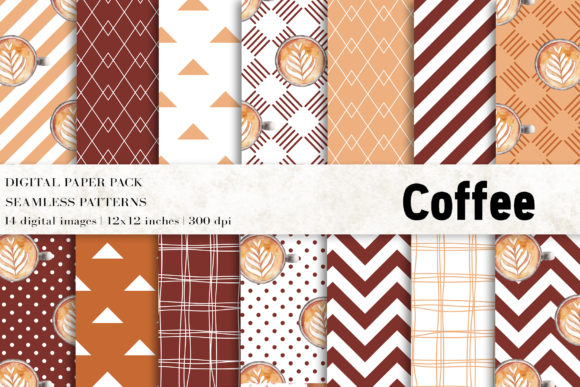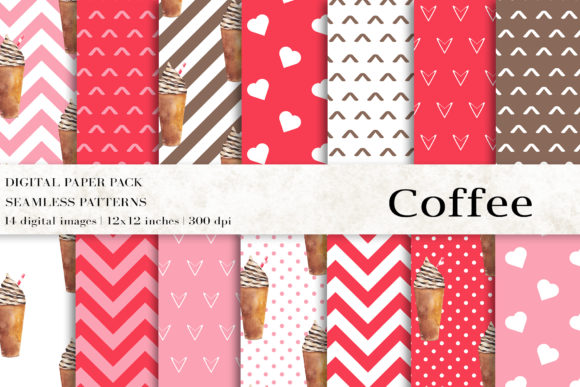
Coffee Digital Papers
As an embroidery designer and product reviewer, I always start by evaluating a new design with a critical eye—looking at how it translates from digital to fabric, how it fits into real-world projects, and whether it delivers on its promise. Coffee Digital Papers caught my attention as a pattern that could add a warm, inviting touch to a range of handmade and commercial products. But does it hold up in practice? Let’s break it down.
The First Impression: A Warm, Cozy Vibe
Coffee Digital Papers immediately evokes a sense of comfort and familiarity. The design features soft, muted tones and organic shapes that feel like they belong in a cozy kitchen or a relaxed living space. The layout is clean, with a mix of abstract coffee cup motifs, steam lines, and subtle patterns that suggest a casual, homey aesthetic. It’s not overly complex, but it has enough detail to be visually engaging without overwhelming the eye.
This design feels right at home in projects that aim to convey warmth and simplicity—think custom tote bags for coffee lovers, baby onesies with a gentle theme, or personalized aprons for home cooks. The visual personality of Coffee Digital Papers is understated but effective, making it ideal for products that prioritize style over bold statement-making.
Real-World Embroidery Use Cases
When testing Coffee Digital Papers on various fabrics and projects, I found it works best on medium-weight materials like cotton, canvas, and light denim. It holds up well on custom apparel such as sweatshirts, t-shirts, and tote bags, where the design adds a nice touch without being too busy. For baby items, the softness of the design makes it a great fit for onesies, blankets, or embroidered patches.
On caps and hats, the design maintains clarity, especially when using a proper hoop size. However, I noticed that on smaller hoop sizes, some of the finer details can get lost, so it’s important to adjust accordingly. For layered garments or stretchy fabrics, extra care is needed to ensure the design doesn’t distort during stitching.
Coffee Digital Papers also shines in holiday and gift-related projects. Whether it's a personalized tea towel for a coffee enthusiast or a festive pillow cover, the design offers a timeless appeal that resonates with a wide audience. As a digital product, it’s versatile enough to be used in printable mockups, Etsy listings, or as part of a craft business’s design assets.
Where to Be Cautious
While Coffee Digital Papers is generally easy to work with, there are a few areas where caution is warranted. On dark fabrics, the design may not stand out as much, so choosing the right thread colors is essential. Thin or textured fabrics can also pose challenges, as the stitch density might cause the design to look less defined.
For small hoop sizes, the design may require some adjustment to maintain clarity, especially in areas with intricate details. Similarly, on curved surfaces like caps, careful placement is key to ensuring the design looks balanced and professional. Tiny lettering or dense stitch areas might need extra attention to avoid distortion or loss of detail.
It’s also important to test the design on different fabric types before committing to a larger project. Some fabrics may require additional stabilizer to prevent puckering or shifting during stitching. Always check the design in black and white mockups to see how it translates without color, which can help identify any potential issues early on.
Impact on Visual Appeal and Customer Perception
Coffee Digital Papers adds a polished, cohesive look to any project it’s used in. Its clean lines and thoughtful layout make it ideal for handmade products that aim to feel both personal and professional. When used on custom apparel or boutique merchandise, it enhances the overall presentation, making the finished product more appealing to buyers.
From a customer perspective, designs that feel intentional and well-crafted tend to build trust. Coffee Digital Papers contributes to this by offering a consistent, recognizable style that aligns with the values of many small businesses and creative entrepreneurs. It’s a great choice for those looking to create a brand identity that feels warm, approachable, and authentic.
In terms of giftability, the design has a universal appeal. Whether it's a personalized mug cover, a baby onesie, or a holiday ornament, Coffee Digital Papers adds a touch of thoughtfulness that customers are likely to appreciate. It also supports the idea of customization, which is a big draw for many handmade and digital product sellers.
Practical Designer Notes
Before using Coffee Digital Papers in a real project, I recommend testing it on scrap fabric to get a sense of how it stitches out. Pay close attention to the stitch density and ensure it matches the fabric you’re working with. If the design is too dense, it might cause puckering or affect the drape of the garment.
Always check the thread color contrast against your chosen fabric. Even a slight mismatch can make the design look less sharp. For applique designs, make sure the edges are clean and well-defined to avoid any fraying or uneven stitching.
When working with small hoop sizes, consider breaking the design into sections if necessary. This helps maintain clarity and prevents the machine from struggling with tight spaces. Also, verify that the design is compatible with your embroidery machine and software, and confirm the file format before proceeding.
Finally, if you're planning to sell finished products or digital files, make sure to review the licensing terms. While Coffee Digital Papers seems suitable for both personal and commercial use, it’s always good to double-check the specifics to avoid any legal issues down the line.